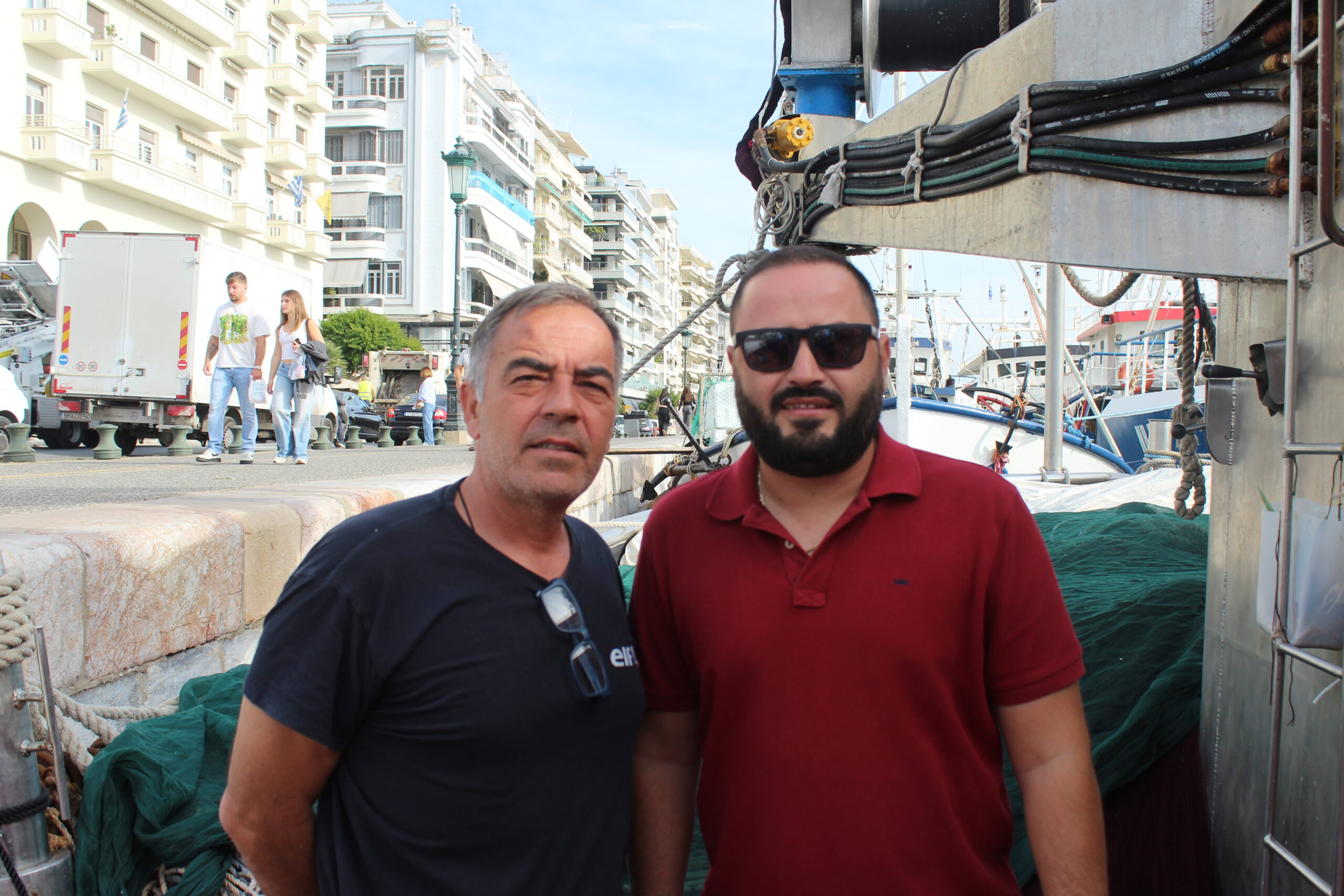

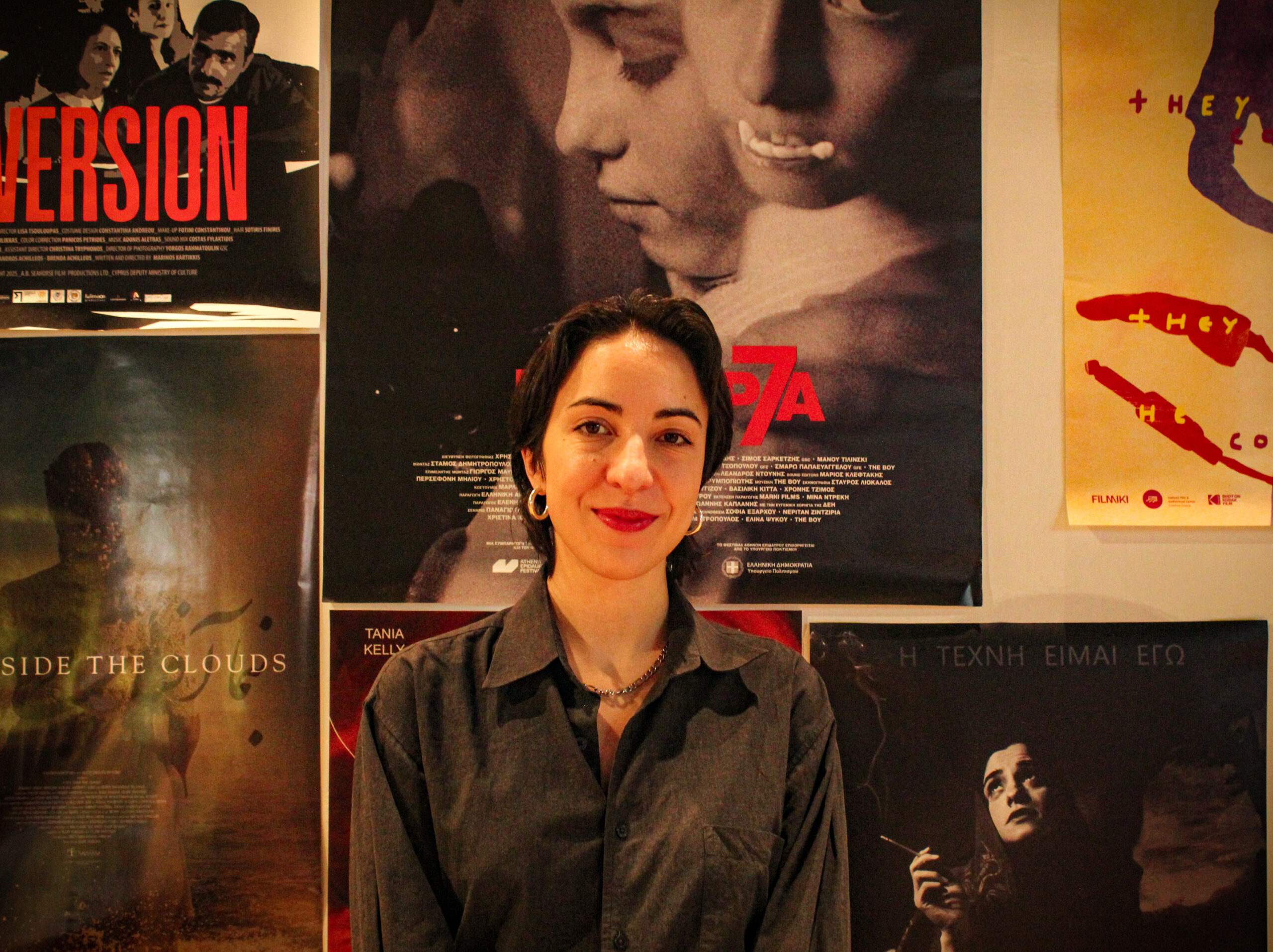
We met the Canadian-Hungarian director, Sophy Romvari, at the 66th Thessaloniki International Film Festival, just before the Greek premiere of her first feature film, Blue Heron. Known for intimate short films such as Pumpkin Movie, Norman Norman, and the deeply personal and critically acclaimed documentary Still Processing, Romvari has built a body of work shaped by empathy,memory, family and all the quiet moments that linger within.
Blue Heron, closing with Daniel Johnston’s “Some Things Lost a Long Time”, continues this exploration — a reminder that when we need it the most, our past can be in fact present. I wholeheartedly thank her for this conversation.
-You were born in Canada, but you’re originally from Hungary, and you directed the short documentary about your grandfather, Remembrance of Jozsef Romvari. Is filmmaking a way to reconnect with your roots?
– I think that filmmaking is my way of communicating, and it’s something that I feel very strongly about, visual language.I think this film shows the origin of how someone becomes a filmmaker in terms of growing up in a certain environment and having it be a worldview that determines how you think about documentation and images.
–Blue Heron is your first feature film. What was the shift like from the short films that you’ve done?
-I really enjoyed making a feature film. I had a really amazing cast and crew. My short films were much more spontaneous, and I worked with many fewer people, so it was a big difference. But I really loved the process. It was like a big summer camp.
-What were the main challenges of making a coming-of-age film?
-The biggest challenge was working with a limited budget. Recreating the 1990s required careful attention to details, especially costumes and production design. It was tight, but we managed.
“My film, it’s very much based on memories”
-Some people have already compared Blue Heron with Aftersun, because it narrates the story of a childhood summer. What do you think is special about this condition, spending summer as a child, that can inspire art?
-Many people feel nostalgic about childhood summers—they’re when you feel most free, outside of school. I think this is why so many directors revisit summertime in films.
So, it’s always just particular to your own experience, if you’re making a film about your own experience, and it’s always going to be differing based on how you grew up, where you grew up, what was sticking out to you, and your memories, and how you want to depict those memories, if you’re depicting memories at all. Because for my film, it’s very much based on memories, but then it’s also blended with fiction and other things.
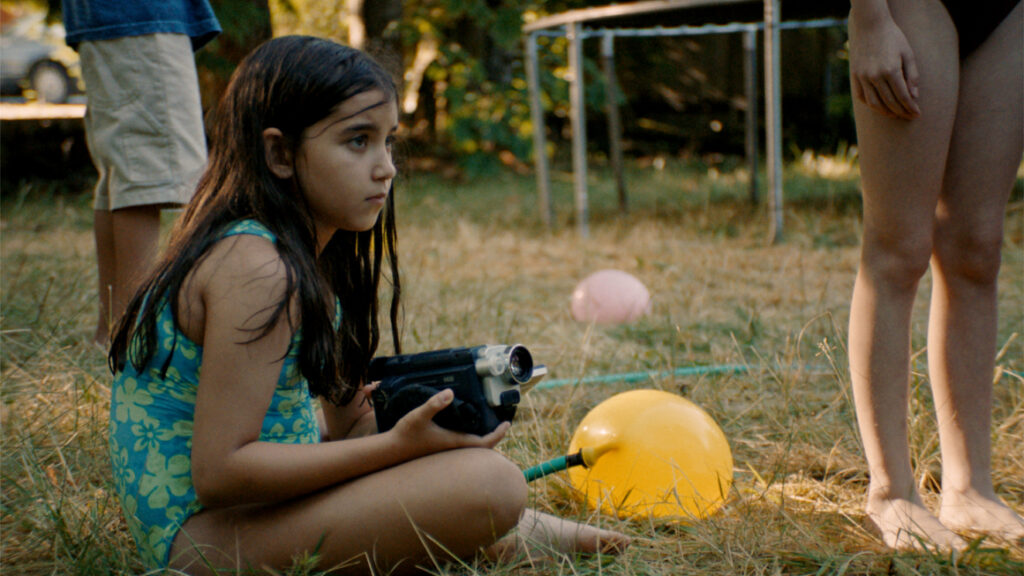
-I saw that you did a list on Letterboxd about your influences. Do you want to say something about the influences?
-Yeah, what did I put on that list? I forget. Some of the films on this list were things that I realized afterwards. Like La Ciénaga was something that I only realized it influenced me after the conclusion of the summer, the childhood summer that we shoot on the film.
Like Lucrezia Martel, I tried in the same way to depict a naturalistic summer in a child’s life, but also with adults present. I don’t remember what else I put on the list.
-You included some of Cassavetes’ films, I think.
-Yes, I did, I admire Cassavetes. The way he was operating the camera, with his long lenses, is very inspiring to me.
“It’s a blessing and a curse at the same time”
-One person wrote also on Letterboxd about your film: “I’m just going to sit in a corner and cry for a day if anyone needs me”. Have apps like Letterboxd, and this kind of direct interaction with the audience influenced the way filmmakers create today?
-I hope not, I hope that it’s only coming afterwards, like the reactions of the audience. I think it’s interesting to have access to reactions from people who are not necessarily professional critics, but it also be dangerous for the same reason.
You’re having opinions from people who, maybe it’s not their profession to be writing about movies. Their opinions are still valid, but you can’t weight them in the same way with a professional’s opinion, at least not necessarily. So it’s a blessing and a curse at the same time.
-The relationship between siblings that you show in the film, which is quite an interesting dynamic, it’s not yet been thoroughly explored in cinema. This year’s Sentimental Value may have begun this conversation. How did you choose to create your film from that point of view?
– I agree, I hadn’t seen that many films from the point of view of a sibling of someone who is the main character. My narrator in Blue Heron is the sibling of the main character. We see her perspective as a child, but also her perspective as an adult later on, and how growing up in this environment impacted her future self.
As a director, I’m always looking for a specific perspective to tell a story from and I didn’t want to show it from this perspective that I had seen before, so this was my angle. Moreover because it comes from my own point of view, I felt like I could more freely speak from my own point of view as a sibling of my brother, whose story I’m narrating.
“It’s a real privilege to get to make films about your own experiences”
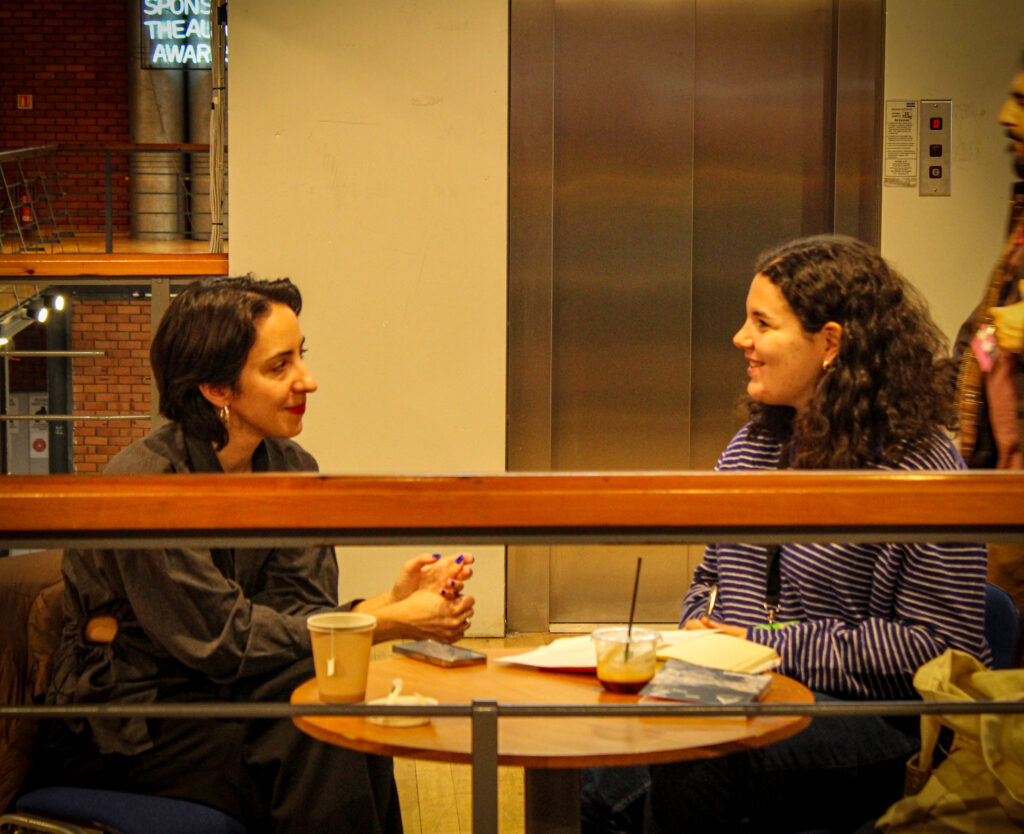
– Is looking back to your childhood through film and art difficult, or is it also healing?
-I think it’s both. I think it’s a real privilege to get to make films about your own experiences; it’s like a really magical thing, so I feel very lucky that I get to do that.
-Is there a feeling that you want Blue Heron to leave your audience with, after the screening, when they leave the room?
-I think, if anything, I hope people can watch it with an open heart, and if they feel something, then allow themselves to feel it, but if they don’t, then to not feel forced to feel something.
I was told by many people who watched it that it has been allowing them to feel their own familial grief, or think about their own families in a different context. They started to talk about things that are maybe stigmatized, or difficult to talk about, like mental health and illness.
If that happens, it’s really amazing, but I also think I don’t want anyone to watch the film and feel bad if they don’t have that reaction. It’s a very emotional movie, it comes from an emotional place, but it’s not for everybody.
Interview: Aphrodite Kerameos
Photos: Aimilios Chatzidimitriou-Pistofidis
Blue Heron
Director: Sophy Romvari
Country: Canada, Hungary
Runtime: 90’
Synopsis
Home, they say, is found in the summers of our childhood. But there are summers that demolish any sense of belonging and drain every last reserve of carefreeness and innocence, even from the deepest, most concealed wells. In her subdued, yet deafening debut, filmmaker Sophy Romvari continues the autobiographical attempts of her award-winning short films, and returns to a liminal era, weaving together both luminous and shrouded memory fragments. Eight-year-old Sasha, the only girl in a family of seven who, in the late 90s, relocates from Hungary to Vancouver Island, tries to adapt to the new environment while simultaneously observing, though without truly comprehending, her beloved older brother slow descent further into the grip of a disorder, while the “adults” are paralyzed with fear and discomfiture.